
DRC, Belgium, and KoBold Metals in Dispute Over Colonial Mineral Archives
Cobalt and Lithium Data Sparks Tension: DRC Seeks KoBold Metals Collaboration as Belgium Restricts Archive Access
An economic and strategic dispute is unfolding between Belgium, the Democratic Republic of Congo (DRC), and the American company KoBold Metals, centering on colonial geological archives housed at the AfricaMuseum in Tervuren.
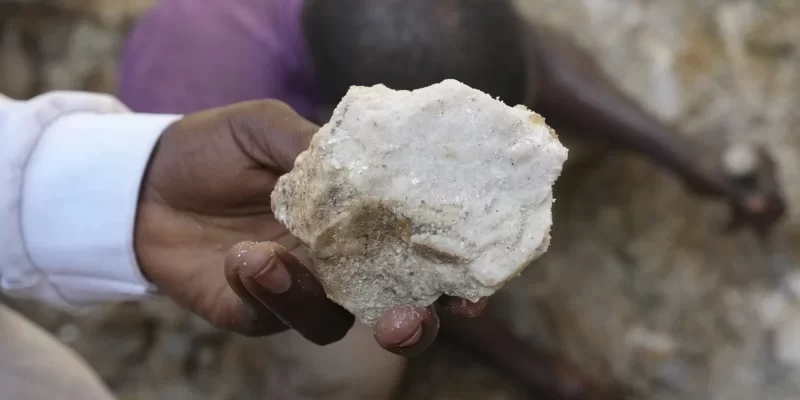
These archives contain detailed data on the DRC’s mineral resources, including cobalt, lithium, and copper now critical to global supply chains.
For Kinshasa, these documents are not just historical records; they represent strategic informational capital essential for attracting investment and optimizing resource exploitation.
The Congolese government intends to collaborate with KoBold Metals, which leverages artificial intelligence for mineral exploration, to digitize the archives and convert the data into operational tools for critical mineral projects.
However, Brussels has blocked direct access. The Belgian government maintains that KoBold Metals, as a foreign private company, lacks an official contract with the state and cannot access the archives directly.
Authorities note that a Europe-funded digitization project is already underway, promising that Kinshasa will gradually receive the data, with full control anticipated in the future.
Analysts suggest that this conflict reflects the evolution of African mining markets toward an information-driven economy. Strategic mineral reserves alone are no longer sufficient; the real value now lies in data and the capacity to exploit it using advanced technologies.
KoBold Metals exemplifies the private, high-tech approach capable of converting historical geological knowledge into a global competitive advantage.
Belgium, meanwhile, is defending its institutional and legal capital, but this stance may slow the DRC’s ability to harness its strategic data.
Experts argue that the DRC is at an economic tipping point: mastering its archives and associated digital tools could provide unprecedented leverage in attracting investment, expanding mining operations, and strengthening industrial sovereignty.
The struggle over strategic minerals has thus become a battle for information where control of data translates directly into economic and strategic power.
Kinshasa is positioning itself as a central hub in the global mining economy, aiming to transform its historical mineral heritage into a lasting strategic and financial advantage.